Clash detection is an essential part of delivering accurate and coordinated BIM models.
By systematically reviewing architectural, structural, and MEP elements, I help ensure that potential conflicts are identified and resolved early in the design process.
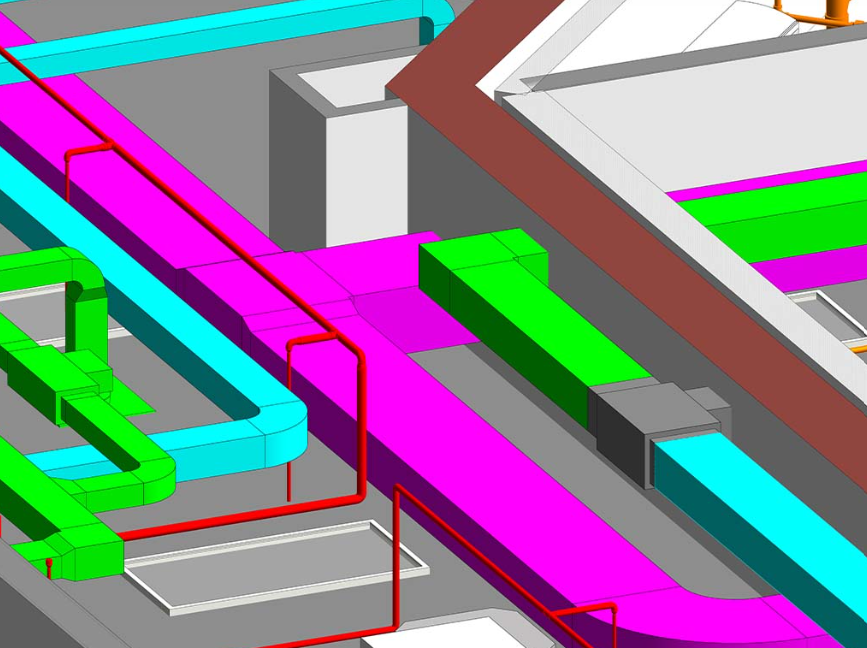
One of the key benefits of BIM is the ability to spot 'clashes' at an early stage in your project where they should be much easier, cheaper and less time consuming to rectify.
Advanced BIM tools
Precision Through Technology
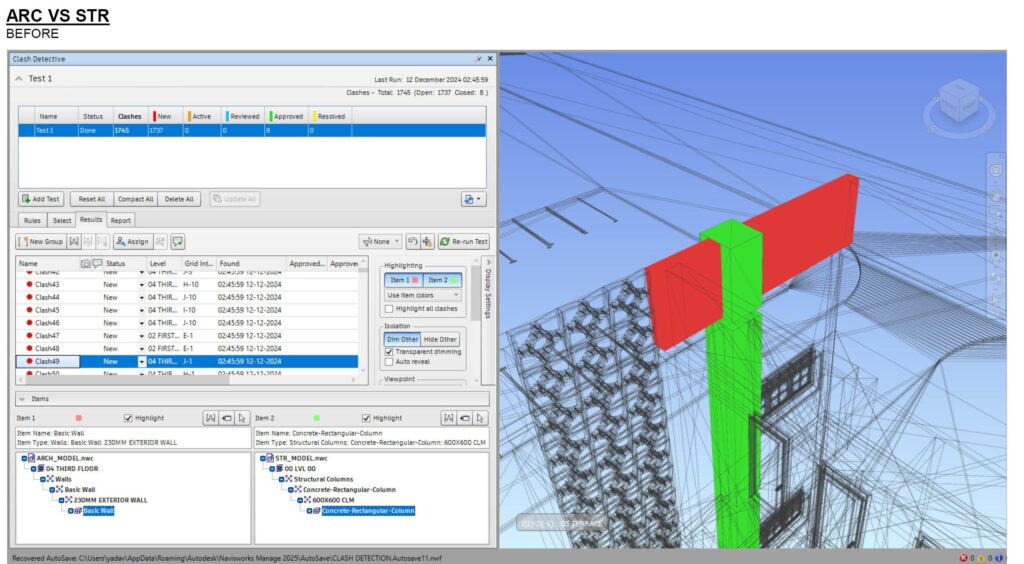
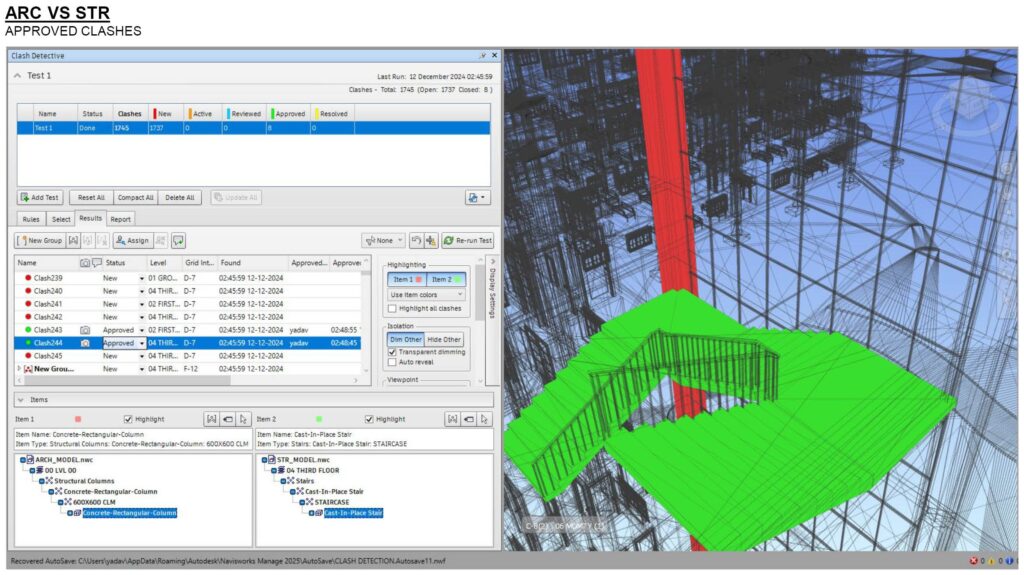
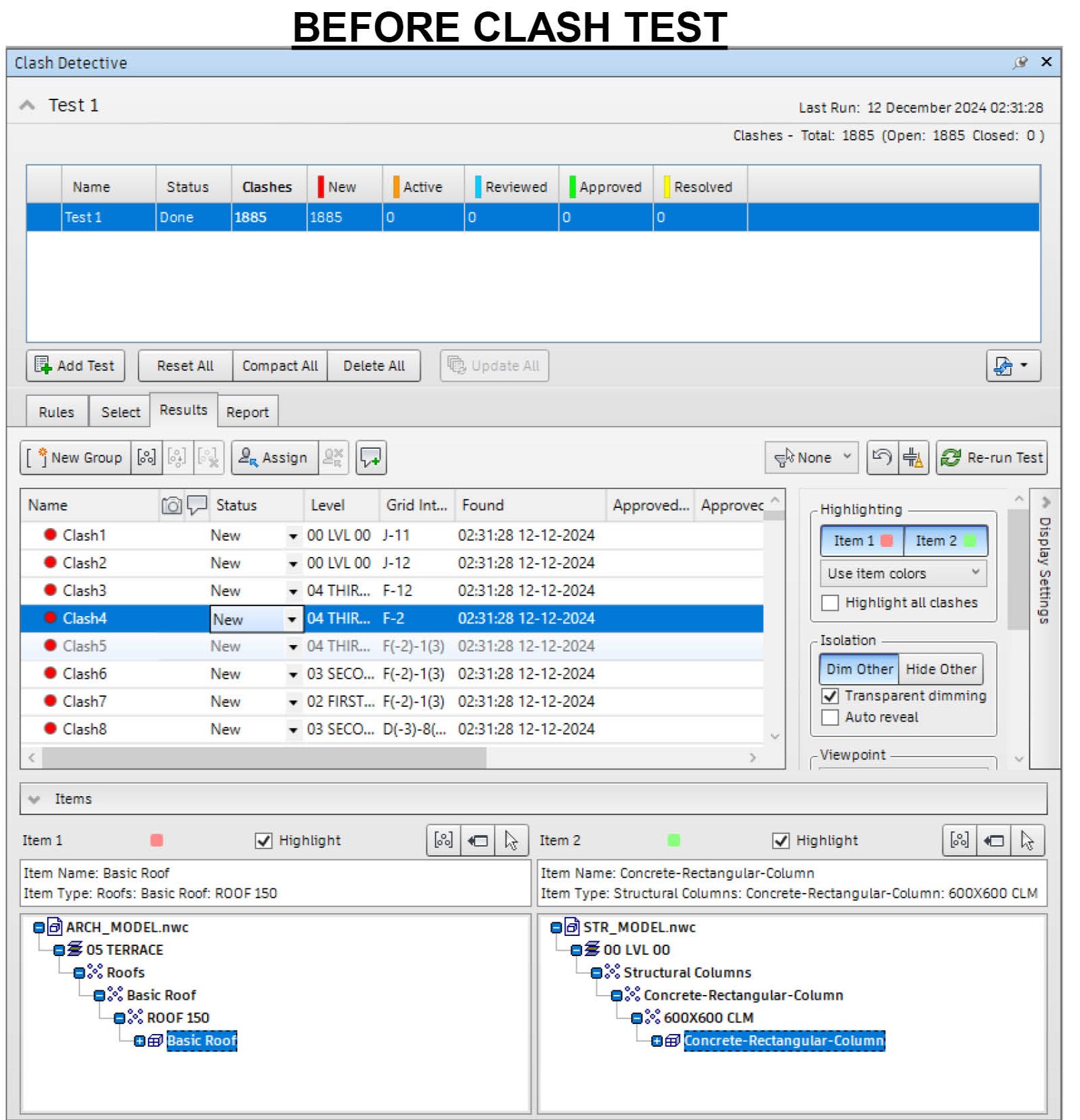
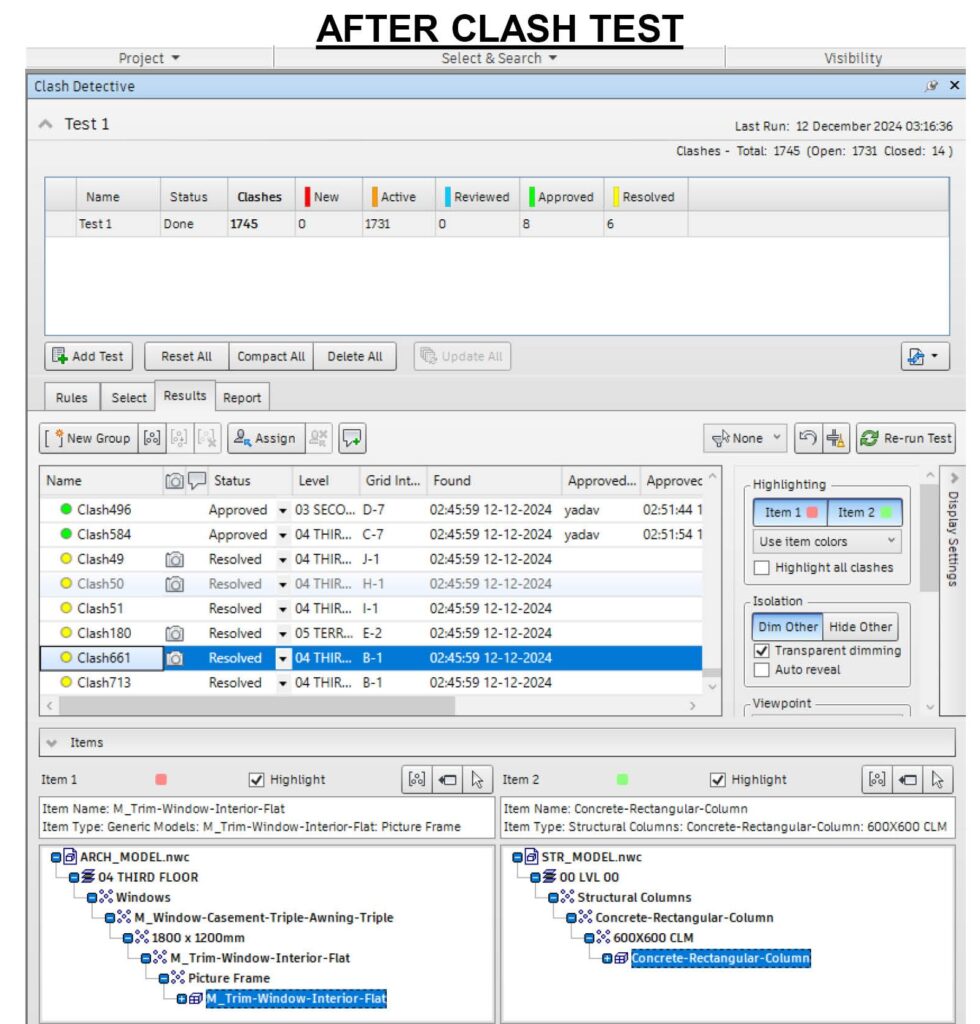
Using industry-standard tools like Autodesk Revit and Navisworks, I perform clash tests. This process highlights critical design interferences, supports informed decision-making, and maintains model integrity throughout project development.
Proactive clash control
Reducing Risk and Rework
Effective clash detection reduces on-site disruptions, unexpected costs, and schedule delays. By addressing design inconsistencies before construction, projects achieve higher efficiency and more predictable outcomes.
Automated detection
How are clashes spotted?
Clashes are identified through a combination of automated clash detection tools and detailed manual reviews within the BIM environment. Using platforms like Autodesk Navisworks and Revit, I run rule-based clash tests that analyze geometric interferences across architectural, structural, and MEP models.
Each detected clash is categorized, whether it’s hard (physical conflicts), soft (clearance issues), or workflow-related (schedule or sequencing conflicts).
Detailed clash reports are then generated, documenting location, type, and severity, ensuring project teams have clear visibility into coordination issues early in the design phase.
Collaborative solutions
How are clashes resolved?
Resolution begins with coordinated model reviews, where design teams evaluate clash reports to understand the root causes. Leveraging BIM’s data-rich environment, adjustments are proposed directly in the models, whether by repositioning elements, resizing components, or revising system routing.
Through iterative coordination meetings and updated clash tests, each conflict is tracked until fully resolved. This process maintains design integrity, improves constructability, and ensures that final deliverables are clash-free and ready for construction, supporting smoother execution and reducing costly on-site changes.